
The Digital Public Goods Network helps the social sector replace fragmented, parallel data efforts with shared infrastructure that drives organizations forward.
Less duplication. Better data. Real progress.
The social sector has an expensive duplication problem.
Across nearly every issue area, organizations are independently solving the same data challenges. This often looks like building parallel versions of the same datasets or building the same infrastructure again and again. The same work gets done many times over, and the sector pays for it many times over.
The cost of this siloed approach keeps growing for all involved. Budgets are tightening, and AI is raising the bar on how we need to engage with data.
Organizations with clean, interoperable foundations will be positioned to automate and innovate. Those without will fall behind.
Duplication persists not for lack of goodwill, but because this kind of collaboration is hard. It takes a neutral party to facilitate the conversation, technical depth to design solutions that meet everyone's needs, and the strategic ability to provide a clear answer to why participating is worth each organization's time
The Digital Public Goods Network (DPGN) Does The work.
Our Collaborators

Source Cooperative logo
Why DPGN?
We're a neutral convener.
We don't have a product to sell or a platform to protect. That allows us to bring participants together on common ground, surface honest perspectives, and move conversations forward where individual organizations can't.
The DPGN draws on a deep bench of practitioners — data architects, engineers, governance specialists, and sectoral domain experts — who understand what durable, interoperable infrastructure looks like and how to build it. This is what separates a working group from a working solution.
Public goods only succeed when they deliver private value. We don't ask organizations to participate in shared architecture as a favor to the sector. We design solutions where each participant can point to a concrete benefit: reduced costs, better data, faster outcomes, stronger AI-readiness. That alignment of self-interest is what makes shared infrastructure stick.
Roadmaps that go unbuilt are part of why the sector is in this position. We see the work through, helping with change management, governance, technical development, and the support participants need to actually use what's built.
We bring a network of technical experts.
We design for individual value first.
We stay through implementation.
How We Work
Our engagement model has three phases:


2. Roadmap
We design a public good that meets each participant's specific, self-interested needs. This is where most efforts break down, because it takes real technical depth. The DPGN draws on a network of sector leaders to develop shared solutions that work in the real world. We design for individual value first. Public goods only stick when each participant can point to a concrete reason they're better off.
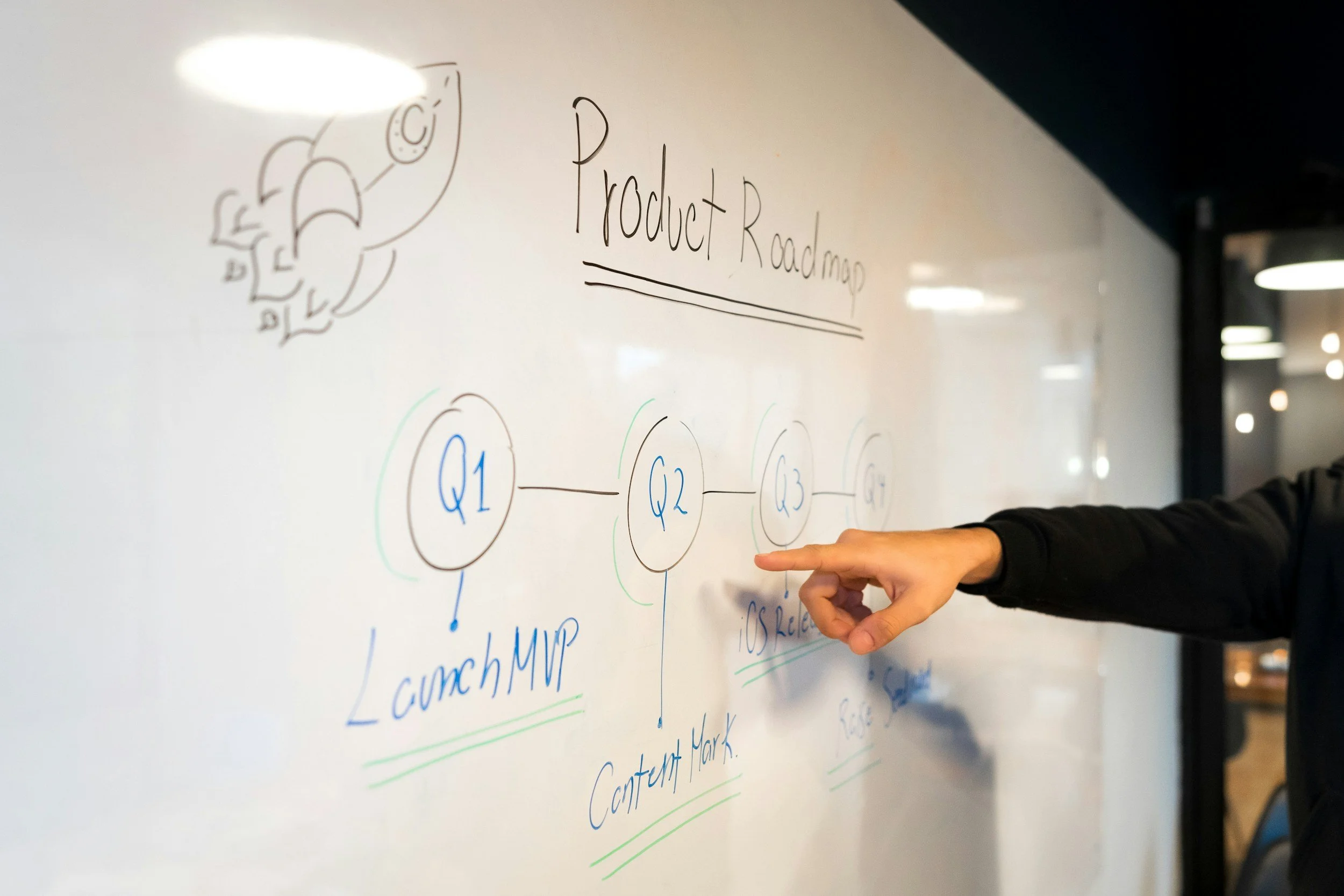
3. Implement
We lead the build. That includes the technical work, the governance design, and the ongoing support it takes to turn a roadmap into infrastructure people actually use. We stay engaged until the solution is operating and the participants own its future.
1. Convene
We bring together the organizations with the most to gain from solving a specific duplication problem. As a neutral party, we hold conversations participants can't hold themselves. This surfaces what organizations actually need and where their interests align.
What We Work On
We're sector-agnostic. Wherever organizations are duplicating data work that would be more valuable if shared, we can help. When everyone meets at conferences and laments that a data solution still doesn’t exist for the problem frustrating everyone, we can help.
Our initiatives (see below) include recreating critical datasets the field depends on, developing common data models that nonprofits can adopt instead of designing their own from scratch, and building sector-specific infrastructure across areas like health, climate and environment, civic participation, nonprofit operations, and more.
If your sector has a data challenge that everyone is solving separately, we'd like to hear about it.
Our Current Initiatives
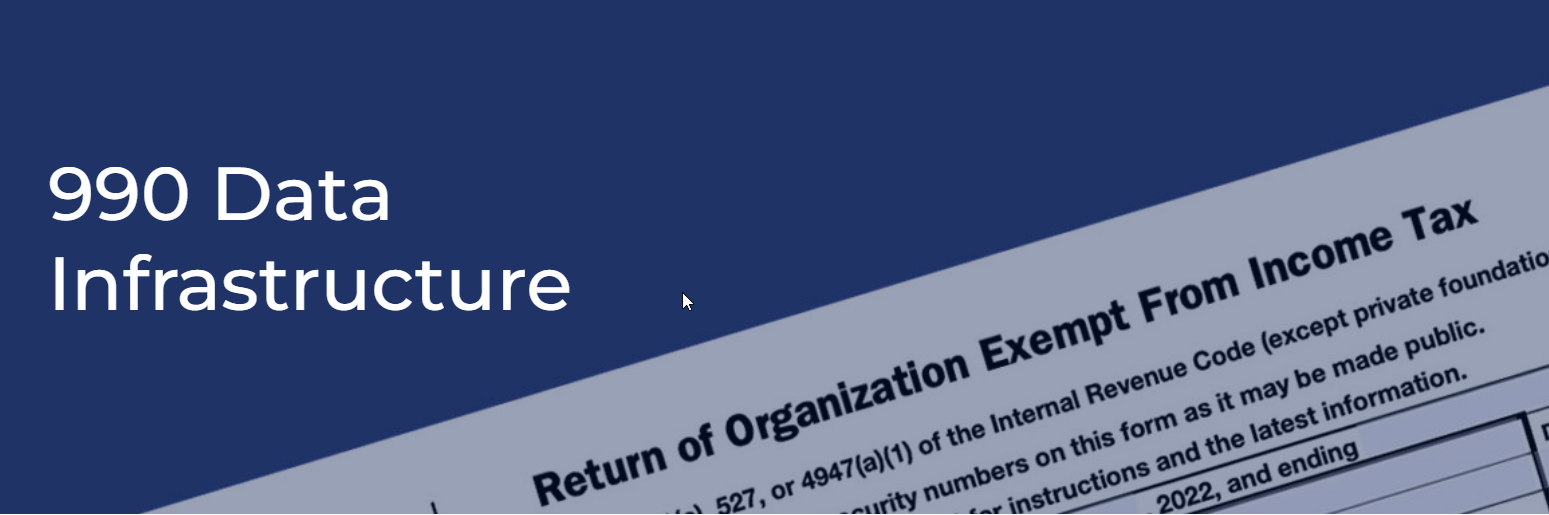
An open source platform making US nonprofit data more accessible, equipping users with the core infrastructure and resources to support data-driven research within the sector.
Data Volatility Initiative
Common Data Model Initiative
A collaboration to transform the CDM into a community-driven public asset. By fostering open ownership and interoperability, the initiative aims to accelerate nonprofit data adoption, unlock sector-wide insights, and enhance social impact through collective infrastructure stewardship
The Canadian Nonprofit Data Lab is the first sustainable infrastructure to organize the nonprofit sector’s data and research work at the national level, providing access to timely, relevant data and insights.
We are working to connect existing efforts to rescue and replace federal datasets that need bandwidth and resources, and identify and support new initiatives to fill critical gaps in order to create a more resilient data-driven society.
Your Questions, Answered
Why do we need a neutral facilitator?
Technology is rarely the only hurdle. We help align people on shared roadmaps to overcome the inertia caused by organizational politics and fragmented interests.
Do you specialize in certain sectors?
Our methodologies apply across sectors, but we have an immediate focus on health, environment & climate, and civic participation. Before any engagement, we conduct deep sectoral research to ensure recommendations fit your specific context.
How does DPGN ensure these solutions are durable and not just another "one-off" project?
We decouple essential data from "single points of failure" by building parallel, non-federal pathways for access. By pooling resources from a network of donors, we eliminate investment friction and ensure shared infrastructure is adequately resourced for the long term.
What exactly is "Data Volatility" and why is it a risk?
Data volatility refers to the sudden deletion, alteration, or termination of critical datasets, particularly high-value federal data. When these foundational benchmarks disappear, it creates a gap in verifiable truth and historical continuity, blinding the social sector's response to crises like maternal mortality, drug epidemics, and climate change.
Let's build it together.
The path to a more resilient, efficient, and AI-ready sector starts with shared infrastructure. We'd welcome a conversation about how DPGN can help with your immediate data challenges and your long-term mission.